


COPYRIGHT © 2022 COFF International Co., ltd. ALL RIGHTS RESERVED

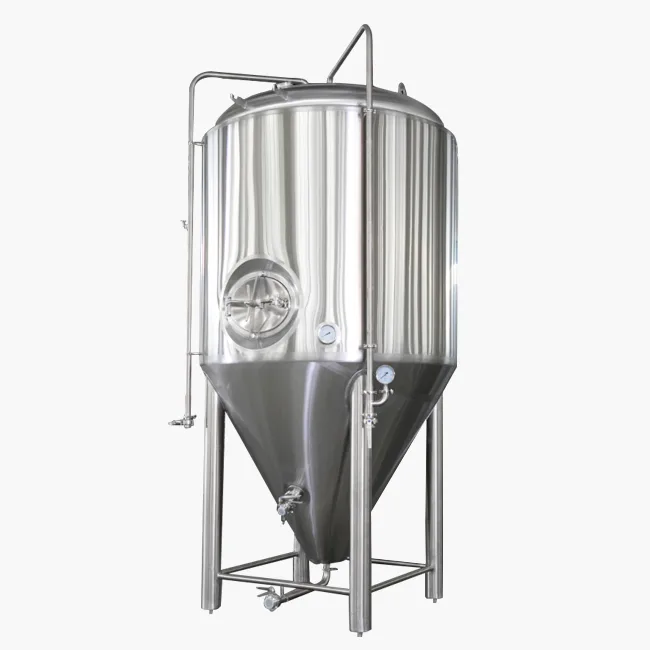
Fermentation in a 発酵タンク (fermenter) relies on a set of tightly controlled conditions to ensure stable microbial activity and consistent product quality. In most industrial processes using a fermenter, seven key parameters must be carefully managed: temperature, pH, dissolved oxygen, agitation, nutrient supply, foam, and pressure. If any of these variables drift out of range inside the fermenter, it can lead to slow fermentation, off-flavors, or even batch failure.
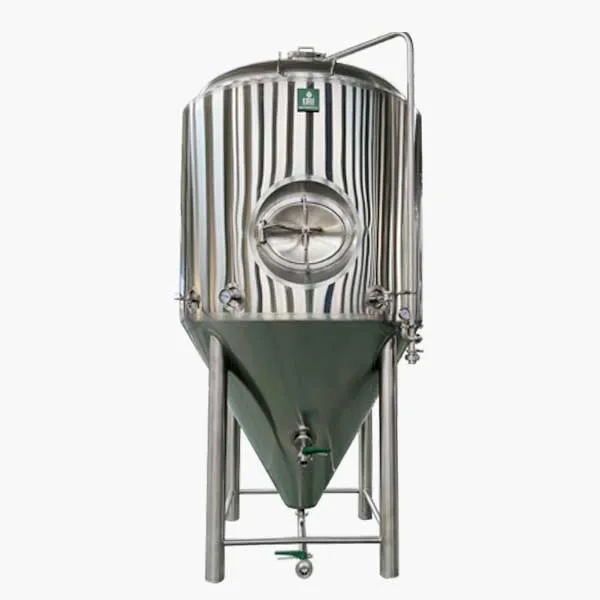
Temperature directly affects microbial growth rate, enzyme activity, and flavor compound production. Even a 2°C deviation can significantly change the final product.
| Microorganism | Optimal Temperature Range | Effect of Temperature Fluctuations |
|---|---|---|
| Ale Yeast | 18–24°C | Higher temps produce fruity esters; lower temps produce cleaner flavors |
| Lager Yeast | 7–15°C | Too warm causes diacetyl production; too cold slows fermentation |
| Lactic Acid Bacteria | 30–40°C | Optimal for sour beer and yogurt production |
💡 プロからのアドバイス: Calibrate temperature sensors monthly. A 1°C error can lead to significant flavor differences between batches.
pH affects enzyme structure, nutrient availability, and microbial cell membrane function. Most fermentation processes require slightly acidic conditions.
| Microorganism | Optimal pH Range |
|---|---|
| Brewer’s Yeast | 4.0 – 6.0 |
| Lactic Acid Bacteria | 4.5 – 6.5 |
| Acetic Acid Bacteria | 5.0 – 6.5 |
Oxygen requirements change dramatically during fermentation:
Proper mixing ensures uniform distribution of nutrients, oxygen, and microbes throughout the fermenter.
| システム・タイプ | 説明 | 最適 |
|---|---|---|
| Stirred-Tank | Mechanical impellers provide vigorous mixing | Most industrial applications |
| Airlift | Gas bubbles circulate liquid without moving parts | Shear-sensitive cells |
| Bubble Column | Rising bubbles provide gentle mixing | Thin, low-viscosity liquids |
Microbes require a balanced diet of carbon, nitrogen, vitamins, and minerals to grow and produce desired products.
📌 重要: Overfeeding can cause excessive foaming and off-flavors, while underfeeding leads to stuck fermentations.
Foam forms when proteins and other surface-active compounds are agitated during fermentation. Excessive foam can cause product loss and contamination.
Pressure control is critical for both safety and fermentation performance.
⚠️ 安全に関する警告: Always inspect pressure relief valves before each batch. A failed valve can cause catastrophic tank failure.
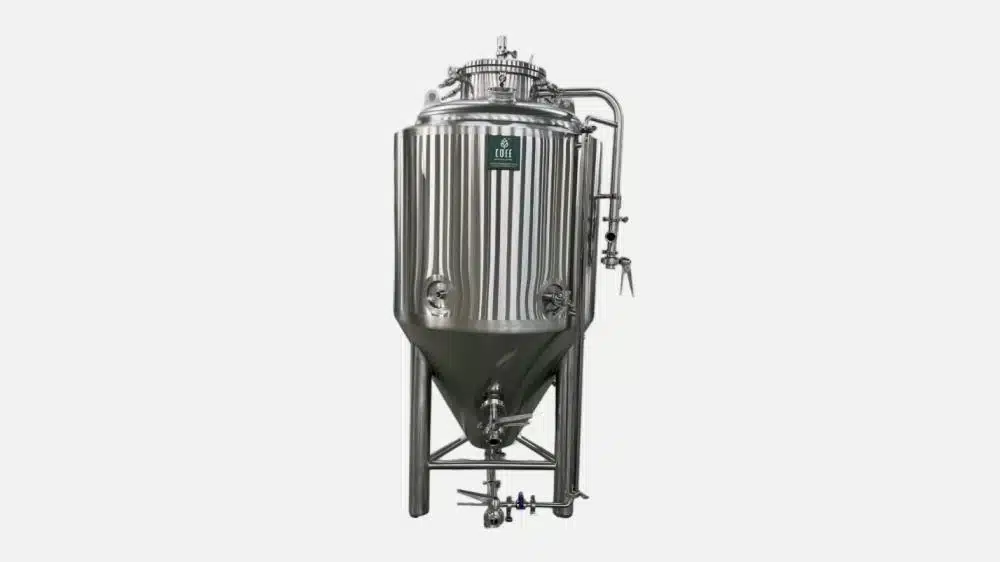
Contamination is the leading cause of fermentation failure. Even a single unwanted microbe can produce off-flavors, spoil the batch, or cause dangerous gas buildup.
CIP systems allow fermenters to be cleaned without disassembly:
| Contamination Type | 説明 | Prevention |
|---|---|---|
| Absolute Spoilers | Grow in beer and produce extreme off-flavors | Strict sanitation of all equipment |
| Potential Spoilers | Only grow under specific conditions | Control pH and alcohol levels |
| Indirect Spoilers | Cause problems during brewing, not in finished beer | Clean raw materials and water |
| 特徴 | ステンレス鋼 | プラスチック |
|---|---|---|
| 衛生 | 洗浄と消毒が容易 | Porous surface traps bacteria |
| 耐久性 | Lasts 20+ years | Brittle, cracks easily |
| 温度制御 | Excellent heat transfer | Poor insulation, unstable temps |
| 定格圧力 | Can handle high pressure | Limited to low pressure |
| コスト | Higher initial investment | 初期費用の低減 |
Stainless steel fermenters are the industry standard for commercial operations and serious home brewers due to their durability, hygiene, and performance.
Successful fermentation depends on carefully balancing several key factors throughout the process. Temperature, pH, dissolved oxygen, agitation, nutrients, foam, and pressure all need to stay within the right range to keep microbial activity stable and produce consistent, high-quality results.
Cleanliness is just as important. Even small contamination risks can disrupt an entire batch, so proper sanitation should never be overlooked. Using a well-designed stainless steel fermenter with reliable control systems can make it much easier to maintain stable conditions and reduce the risk of batch loss.
Whether you’re brewing at home or running industrial production, paying attention to these fundamentals helps ensure more predictable and consistent fermentation outcomes.
Temperature stability is the most critical factor. Even small fluctuations can significantly affect microbial growth, enzyme activity, and flavor compound production.
Cleaning removes visible dirt and organic residues from surfaces, while sanitizing kills invisible microorganisms. Both steps are essential – you cannot sanitize a dirty surface.
Calibrate your pH meter before each use for the most accurate results. At a minimum, calibrate weekly and whenever you change buffer solutions.
While plastic fermenters are cheaper, they are not recommended for commercial use. They are difficult to sanitize properly, scratch easily, and have poor temperature control.
Stuck fermentation is most often caused by insufficient nutrients, incorrect temperature, or poor yeast health. Proper nutrient management and temperature control can prevent this common problem.
Beer stone (calcium oxalate) can be removed by soaking the fermenter in a solution of phosphoric acid or a commercial beer stone remover. Regular acid cleaning will prevent buildup.