


COPYRIGHT © 2022 COFF International Co., ltd. ALL RIGHTS RESERVED

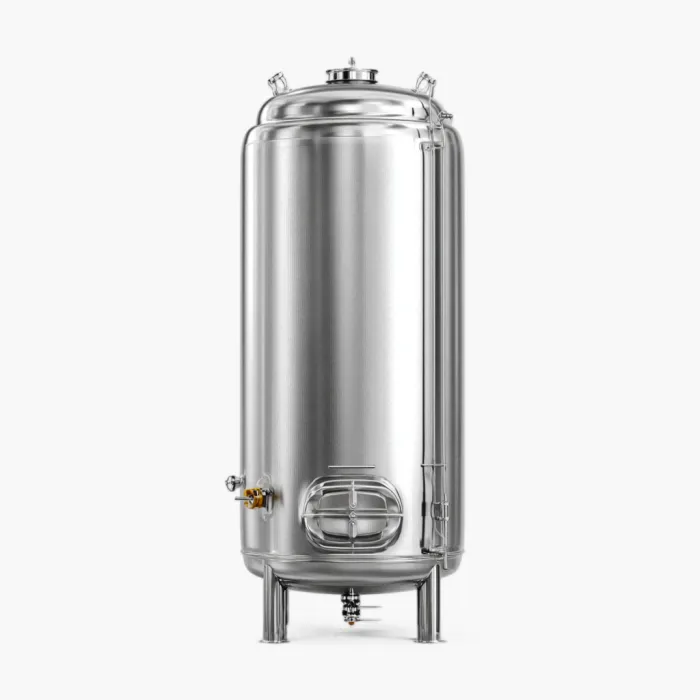
A ミルクタンク is essential equipment for dairy farms and processing facilities, used to collect, rapidly cool, safely store, and transport raw milk when required. Its primary purpose is to maintain milk quality by slowing bacterial growth and keeping milk at a stable low temperature from milking until processing.
Modern milk tanks are designed with advanced cooling systems, temperature monitoring, and Clean-In-Place (CIP) features to meet strict food safety requirements. They help dairy operations improve efficiency, maintain hygiene standards, and ensure consistent milk quality throughout storage and handling.

Milk tanks support every stage of the raw milk supply chain, from on-farm milking to delivery at processing plants.
The first use of a milk tank is to receive and consolidate fresh raw milk, either directly from the milking parlor or via delivery trucks at processing facilities.
At the raw milk reception dock, the process follows a standardized workflow:
This structured reception step ensures only safe, high-quality milk enters the cooling and storage stage.
Cooling and storage are the most important functions of a milk tank. Fresh raw milk naturally contains bacteria that can multiply quickly at room temperature, so fast, consistent cooling is required to prevent spoilage and meet food safety regulations.
Industry and regulatory standards for milk cooling include:
| 温度範囲 | Classification |
|---|---|
| 33 – 38 | Optimal cooling range for fresh raw milk |
| ≤ 45 | Maximum safe storage temperature |
By maintaining steady, low temperatures, バルクミルクタンク extend milk shelf life, preserve nutritional quality, and ensure compliance with food safety rules.
Specialized milk transport tanks (mounted on tanker trucks) move raw milk from farms to processing facilities while preserving the cold chain. These tanks are constructed from food-grade stainless steel and include integrated temperature control systems to keep milk below 40°F for the duration of the trip.
Transport milk tanks come in a range of sizes to fit different routes and operation scales:
Consistent temperature control, regular tank sanitization, and fast transit times all work together to keep milk safe and fresh during distribution.

Today’s milk tanks include specialized engineering to improve cooling efficiency, hygiene, and operational ease.
High-performance milk tanks use advanced cooling technology to bring milk down to safe temperatures quickly and maintain consistency throughout the tank. Key features include:
Many tanks also support HTST (high-temperature short-time) pasteurization capabilities, heating milk to 72°C for 15 seconds to kill pathogens before flash cooling for storage.
Nearly all modern milk tanks are built from high-grade food-safe stainless steel, which is the industry standard for dairy equipment for several reasons:
Hygiene standards for milk tanks vary by region, with strict regulatory oversight worldwide:
| 地域 | Hygiene & Safety Standards |
|---|---|
| ドイツ | Monthly farm inspections, strict microbial limits, immediate enforcement action for non-compliance |
| 欧州連合 | Standardized microbiological criteria for pathogens and standard plate counts (SPC) |
| カナダ | Full prohibition of raw milk sales, regular hygiene testing, and high compliance rates for dairy operations |
Clean-In-Place (CIP) systems are a standard feature on modern milk tanks, enabling fully automated cleaning without disassembling the tank or piping. CIP systems run pre-programmed wash cycles:
The benefits of CIP systems include:
Leading milk tank manufacturers like COFF provide vertical, horizontal, and mobile milk tanks with integrated CIP systems, designed to simplify cleaning, improve sanitation, and support efficient dairy processing operations.
Choosing the right milk tank depends on your farm’s size, layout, and operational needs.
Start by calculating your peak daily milk production, and select a tank with 10–20% extra capacity to avoid overflow and accommodate short-term growth.
Tank shape also impacts space requirements:
Always confirm the tank meets regional food safety regulations (FDA, EU, 3-A Sanitary Standards, etc.) before purchasing.
Match the tank’s features to your farm’s specific operational factors:
| Selection Factor | なぜ重要なのか |
|---|---|
| Herd size & projected growth | Determines required capacity and cooling power |
| Available labor and milking schedule | Influences whether automated features (CIP, remote monitoring) are necessary |
| Barn design and available space | Dictates optimal tank shape and mounting options |
| 設備予算 | Balances upfront cost with long-term energy and labor savings |
| Cleaning requirements | Determines required level of sanitation automation |
Tanks with integrated cooling, agitation, and monitoring features reduce daily labor and improve consistency for larger operations.
Prioritize tanks with automated CIP systems for reliable, low-effort sanitation. Plan for regular maintenance including calibration of temperature sensors, inspection of cooling components, and verification of insulation integrity. Proper maintenance extends tank lifespan and prevents costly breakdowns that can risk milk spoilage.
The main purpose of a milk tank is to cool, store, and protect raw milk after milking, preserving its freshness and safety until it is transported for processing. It is the core piece of equipment for maintaining milk quality on dairy farms.
Milk tanks use built-in cooling systems (such as cooling plates or jacketed walls) combined with thick foam insulation to maintain consistent low temperatures. Agitators mix the milk to ensure even cooling, and digital sensors monitor temperature to keep it within safe ranges.
Stainless steel is used for milk tanks because it is corrosion-resistant, non-reactive with milk, and easy to thoroughly sanitize. Food-grade stainless steel meets global dairy hygiene standards and does not alter the taste or safety of the milk.
Raw milk should be stored at 33–38°F for optimal freshness, and must never exceed 45°F by regulation. Most dairy operations target 40°F as a standard set point to balance freshness and energy efficiency.
Yes. Manufacturers like COFF offer fully customizable milk tanks, with options for size, shape (vertical/horizontal/mobile), cooling power, and automation features to fit different farm sizes, layouts, and production needs.
Milk tanks are the backbone of safe, efficient dairy production. Without reliable cooling and storage, preserving milk quality and meeting food safety regulations would be impossible. From small family farms to large processing facilities, these tanks support every step of the raw milk supply chain.
When selecting a milk tank, prioritize cooling performance, food-safe construction, and ease of cleaning to ensure long-term value and compliance. Matching tank size and features to your operation’s current and future needs will help you maintain high milk quality while minimizing labor and energy costs.