

COPYRIGHT © 2022 COFF International Co., ltd. ALL RIGHTS RESERVED


ステンレスタンク and oak barrels are the two dominant 発酵容器 in modern winemaking. Stainless steel is the standard for clean, temperature-controlled fermentation that preserves pure fruit character. Oak barrels are the traditional choice that adds layered flavor and gentle oxygenation to build complexity and soften tannins.
The vessel you choose directly shapes the style, quality and personality of your wine. This guide breaks down the core benefits, drawbacks and ideal use cases for each, to help you match your fermentation vessel to your winemaking goals.

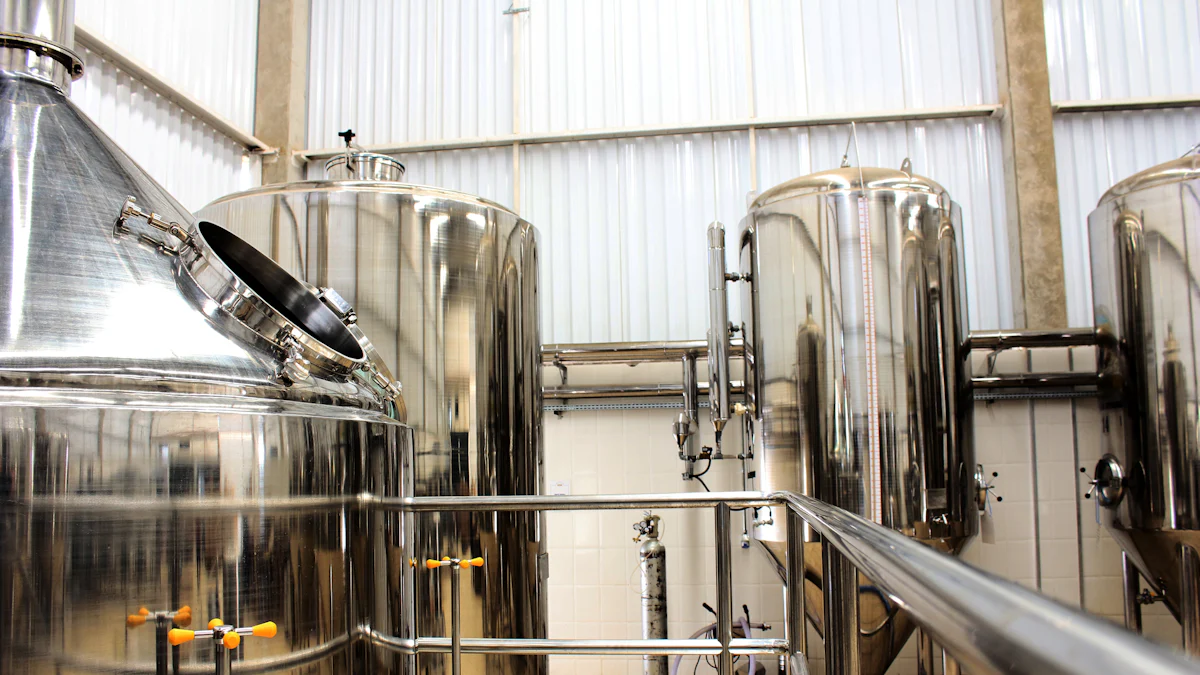
Stainless steel tanks are the workhorse of modern commercial wineries, valued for their neutrality, precision and hygienic operation.
High-grade stainless steel is completely inert and imparts no flavor to wine. This clean canvas lets the grape’s natural varietal character and terroir shine through, preserving fresh fruit aromas, crisp acidity and bright, vibrant fruit notes. It is the ideal vessel for wines built around purity and varietal expression.
Fermentation generates significant heat from yeast metabolism. Uncontrolled heat can stall fermentation, produce off-flavors or burn off delicate aromas. Stainless steel tanks solve this with integrated cooling systems:
Advanced systems paired with PID controllers and temperature probes maintain stability within ±1°C. This precision supports cold fermentation of aromatic whites, warm fermentation of bold reds, and consistent results batch after batch.
The smooth, non-porous stainless steel interior resists residue buildup and supports fully automated Clean-in-Place (CIP) systems. Spray balls thoroughly clean every internal surface between batches, drastically reducing contamination risk.
A well-built food-grade stainless steel tank has a service life of 30–50 years or more. It resists corrosion, withstands physical impact, and requires minimal ongoing maintenance. The airtight, lightproof design also prevents oxidation during fermentation and storage, preserving vibrant fruit flavors.
Stainless steel adds no flavor or texture complexity, and its airtight design prevents the gentle oxygenation that helps mature red wines. It cannot contribute tannin structure or oak-derived notes.
It is ideal for:
Oak barrels have been used for winemaking for centuries, valued for the flavor, texture and subtle oxygenation they bring to wine.
During barrel toasting, heat breaks down wood compounds that are extracted into the wine, adding notes of vanilla, spice, toast, caramel and smoke. During fermentation, yeast interacts with these oak compounds, integrating them into the wine for a more complex, layered profile.
The two most common oak types produce subtly different results:
Oak is slightly porous, allowing tiny amounts of oxygen to slowly enter the wine over time. This micro-oxygenation softens harsh tannins, stabilizes color, and builds structural complexity, resulting in a smoother, rounder mouthfeel. The rate of oxygen transfer depends on grain tightness, cooperage quality and barrel age.
Oak barrels are a significantly larger investment than stainless steel, with a limited useful life (typically 3–5 vintages for active flavor contribution). Evaporation loss (the “angel’s share”) reduces volume each vintage, and barrels require regular topping, care and sanitation to avoid microbial spoilage.
They are ideal for:
| ファクター | ステンレスタンク | オーク樽 |
|---|---|---|
| 風味への影響 | None; preserves pure fruit character | Adds vanilla, spice, toast, caramel notes |
| 酸素暴露 | Airtight; zero oxygen ingress | Slight micro-porous oxygenation |
| 温度制御 | Precise ±1°C with cooling jackets | Moderate; passive temperature stability |
| 衛生 | Easy CIP cleaning; low contamination risk | Labor-intensive; higher spoilage risk |
| 耐用年数 | 30~50年以上 | 3–5 vintages for active flavor contribution |
| コスト | Higher upfront, low ongoing | Lower entry cost for used barrels; high ongoing replacement cost |
| 最適 | Aromatic whites, rosés, light reds; large-scale production | Full-bodied reds, premium whites; small-batch premium production |

The right choice depends on your wine style goals, production scale and budget.
Many wineries use both vessel types. A common strategy is to ferment in stainless steel for fruit purity, then age a portion of the blend in oak for complexity. This combines the brightness of tank fermentation with the depth of barrel aging, creating balanced, approachable wines with both fruit and structure.
Alternative vessels like concrete eggs and amphorae also exist, offering neutral fermentation with unique texture and micro-oxygenation profiles, but they remain niche compared to steel and oak.
Stainless steel tanks and oak barrels each serve a clear, distinct purpose in winemaking. Stainless steel delivers precision, cleanliness and pure fruit expression — the foundation of modern, consistent winemaking. Oak brings tradition, complexity and texture — the tool for building depth and age-worthiness in premium wines.
Neither is inherently better. The best vessel is the one that aligns with your target wine style, production scale and long-term winemaking vision.
Stainless steel is chemically inert and preserves pure, fresh fruit flavor with precise temperature control. Oak barrels add vanilla, spice and toast notes and allow gentle micro-oxygenation that softens tannins and builds complexity. The choice fundamentally changes the style of the finished wine.
Aromatic white wines, rosés and light, fruit-forward red wines benefit most from stainless steel fermentation. The neutral vessel preserves bright citrus, floral and berry notes and maintains crisp acidity.
For active flavor contribution, oak barrels typically last 3–5 vintages. After that, they can still be used for neutral storage, but they no longer impart significant oak character.
Both are common. Fermentation in oak creates more integrated oak flavor, as yeast interacts with wood compounds during active fermentation. Barrel aging adds softer, more subtle oak character and micro-oxygenation over time. Many wineries do both.
Yes, this is a very common winemaking strategy. A portion of the wine is fermented and/or aged in oak for complexity, then blended back with tank-fermented wine for freshness and fruit brightness. This creates a balanced, versatile final wine.