


COPYRIGHT © 2022 COFF International Co., ltd. ALL RIGHTS RESERVED

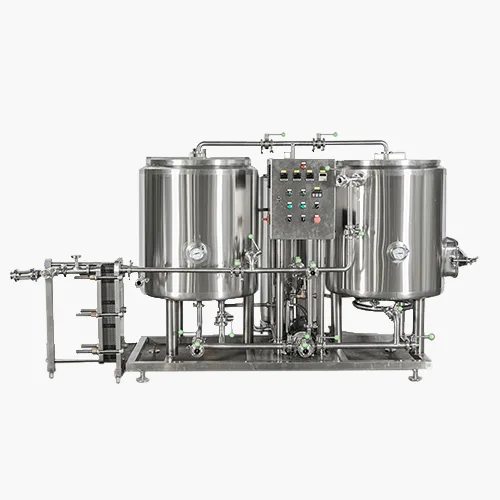
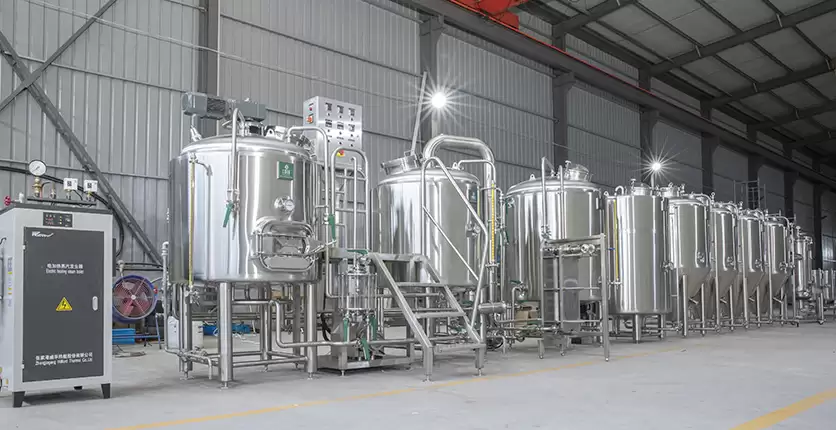
The most common types of distillery and brewery equipment are stills, fermenters, mash tuns, condensers, distillation columns, storage tanks, and pumps. Each piece performs a specialized function in converting raw ingredients like grains, fruits, and sugars into beer, whiskey, vodka, gin, and other spirits.
The global distillation equipment market was valued at USD 8.3 billion in 2024 (Grand View Research), driven by the booming craft beverage industry. Modern systems like the COFF Ölbeheiztes Sudhaus use advanced automation and energy-efficient technology to help distilleries produce higher quality products faster and more sustainably.
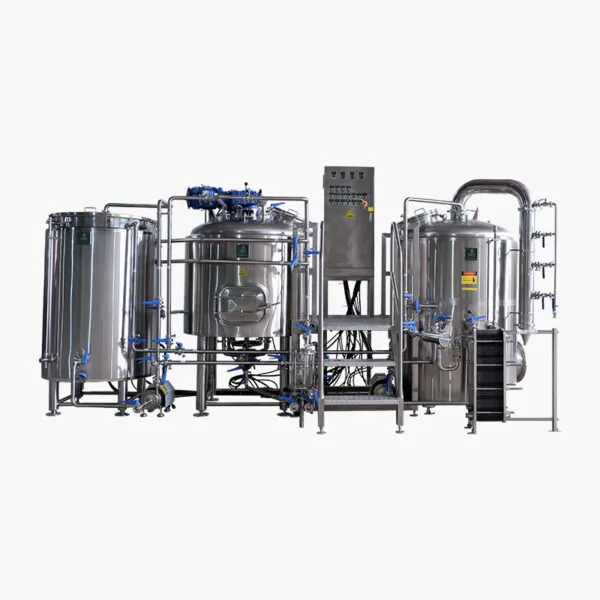
Distillery equipment refers to the specialized machines and tools used to produce alcoholic beverages. These systems work together in a sequential process to transform raw materials into finished drinks, from small craft distilleries to large industrial facilities.
The two most common materials used in distillery equipment are:
| Material | Die wichtigsten Vorteile | Am besten für |
|---|---|---|
| Rostfreier Stahl | Rust-resistant, durable, easy to clean, food-safe | Fermenters, storage tanks, pumps, modern stills |
| Kupfer | Removes sulfur compounds, improves flavor and aroma | Pot stills, column stills, condensers |
Distilleries select materials based on the type of beverage they produce and their specific quality requirements.
Sicherheitshinweis: Distillation involves high temperatures and flammable alcohol vapors. Always use equipment that meets international safety standards and follow proper operating procedures to prevent fires and explosions.
Every distillery follows the same basic steps, each requiring specialized equipment:
Stills are the heart of any distillery. They separate alcohol from the fermented liquid (wash) through heating and condensation. There are three main types:
| Art der Destillation | Beschreibung | Am besten für |
|---|---|---|
| Pot Still | Traditional copper vessel that heats the wash in batches | Rich, flavorful spirits: whiskey, rum, brandy |
| Säule Still | Tall vertical tower with stacked plates for continuous distillation | High-purity spirits: vodka, gin, neutral spirits |
| Hybrides Standbild | Combines pot and column features | Versatile distilleries producing multiple spirit types |
Mash tuns are insulated tanks where crushed grains are mixed with hot water to convert starch into sugar. This step is critical for determining the alcohol content and flavor of the final product.
Key features of modern mash tuns:
Traditional lauter tuns achieve 90–92% sugar extraction efficiency, while modern mash filters can reach up to 98%, significantly increasing yield.
Fermenters are sealed tanks where yeast converts sugar into alcohol and carbon dioxide. These tanks maintain precise temperature, pH, and oxygen levels to ensure consistent fermentation.
| Design Feature | Nutzen Sie |
|---|---|
| Temperaturkontrolle | Prevents off-flavors and ensures yeast health |
| Agitation systems | Keeps yeast and solids evenly mixed |
| Clean-in-Place (CIP) | Reduces contamination risk and saves time |
| Druckbegrenzungsventile | Prevents tank rupture from CO₂ buildup |
Modern fermenters use smart automation to monitor and adjust conditions in real time, producing consistent results batch after batch.
Lagertanks hold spirits during aging, blending, or before bottling. Most are made from food-grade stainless steel to prevent contamination and oxidation.
Key features:
Pumps move liquids throughout the distillery, from water and mash to wort, fermented wash, and finished spirits. Common types include centrifugal, positive displacement, and double diaphragm air pumps.
The COFF Oil Heated Brewhouse features an integrated pump system that simplifies liquid transfer at every stage of production, reducing complexity and maintenance.
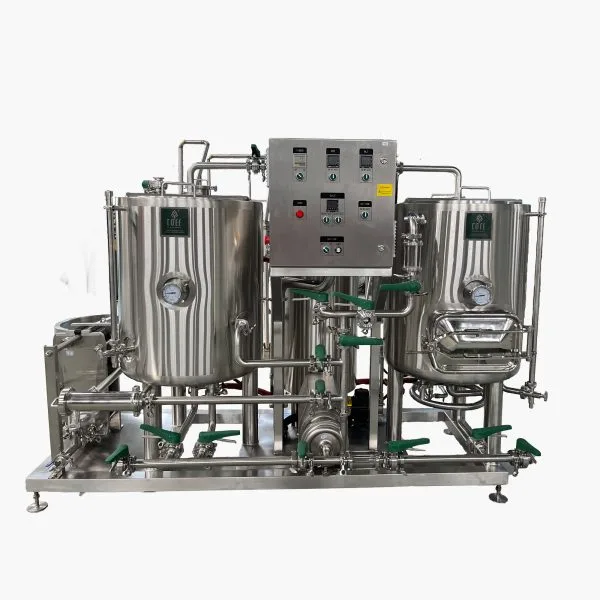
Heat exchangers transfer heat between liquids to save energy and control process temperatures. They are used to heat mash, cool wort before fermentation, and condense alcohol vapor.
| Typ | Vorteile | Am besten für |
|---|---|---|
| Plate & Frame | High efficiency, easy to maintain | Most distillery applications |
| Shell & Tube | Durable, handles high pressure | Large industrial facilities |
| Brazed Plate | Compact, cost-effective | Small craft distilleries |
Filters remove impurities, sediment, and unwanted flavors from spirits. Common filtration methods include:
Bottling lines automate the process of filling, capping, labeling, and packaging finished spirits. They range from small semi-automatic machines for craft distilleries to high-speed lines for large producers.
Modern distilleries use advanced control panels to monitor and automate every step of production. Essential accessories include:
Distillery equipment encompasses a wide range of specialized tools, from core components like stills and fermenters to supporting systems like heat exchangers and bottling lines. Each piece plays a critical role in producing high-quality beer and spirits.
Modern systems like the COFF Oil Heated Brewhouse are transforming the industry by offering greater energy efficiency, precise temperature control, and integrated automation. Whether you’re starting a small craft distillery or scaling up production, choosing the right equipment is essential for success.
To learn more about the COFF Oil Heated Brewhouse and how it can improve your distillery operations, contact our team today. We offer custom solutions for breweries and distilleries of all sizes.
A still separates alcohol from the fermented wash through heating and condensation. Pot stills produce rich, flavorful spirits like whiskey, while column stills make high-purity spirits like vodka and gin.
Stainless steel is used for its durability, ease of cleaning, and food safety. Copper is used in stills and condensers because it removes sulfur compounds, improving the flavor and aroma of spirits.
The COFF Oil Heated Brewhouse uses advanced oil heating technology that is 30% more energy efficient than traditional steam systems. It also provides precise temperature control and features an integrated pump system for simplified operation.
Food-grade stainless steel storage tanks are used to store spirits before bottling. These tanks prevent contamination, oxidation, and maintain consistent quality.
Bottling machines automatically fill, cap, and label bottles. They range from small semi-automatic machines for craft distilleries to high-speed lines that can fill thousands of bottles per hour.