


COPYRIGHT © 2022 COFF International Co., ltd. ALL RIGHTS RESERVED

For a standard 5-gallon batch of wine, full fermentation takes roughly 2 weeks to 2 months from start to bottling readiness. The exact timeline varies widely based on yeast strain, sugar content, fermentation temperature and tank conditions. Primary fermentation (the active sugar-to-alcohol stage) completes in 5–14 days, followed by a slower secondary clarification and conditioning phase that can last 1–6 weeks. Controlling temperature and using a clean, temperature-stable Gärtank helps winemakers produce consistent, high-quality wine on a predictable schedule.
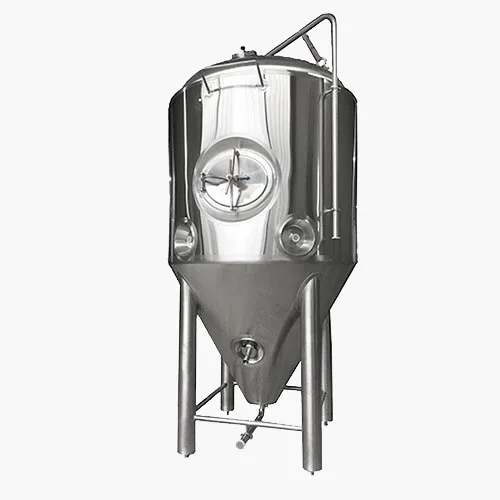
This is the active, bubbly stage where yeast consumes the majority of sugar in the juice and converts it to alcohol and carbon dioxide. It is the fastest and most critical phase of winemaking.
Winemakers use a hydrometer to track sugar levels during this stage. Once the rapid bubbling slows and specific gravity drops steadily, the batch is ready to move to the next phase.
After primary fermentation finishes, wine is transferred off the grape skins (for reds) and moved to a secondary vessel for settling and gentle conditioning. This is not a second active fermentation — it is a slow finishing stage where sediment falls to the bottom, harsh flavors soften, and the wine clears.
All together, a 5-gallon batch takes a minimum of 2 weeks for simple, fresh-drinking wines, and up to 2 months for fuller-bodied styles that need extra clearing and conditioning. Wineries often hold wine in tanks or barrels for months longer to mature flavor, but basic fermentation completes within the first 8 weeks.
The most reliable sign of finished fermentation is a stable specific gravity reading below 1.000 for 2–3 consecutive days. Once bubbles stop coming through the airlock and gravity holds steady, the sugar has been fully converted to alcohol.
Temperature is the single biggest factor in how fast yeast works.
| Weinart | Ideal Temperature Range | Effect on Timeline & Quality |
|---|---|---|
| White Wine | 59–68°F (15–20°C) | Slower fermentation, preserved fresh fruit aroma |
| Red Wine | 75–81°F (24–27°C) | Faster active fermentation, better color and tannin extraction |
Different wine yeast strains work at different speeds and produce different flavor profiles.
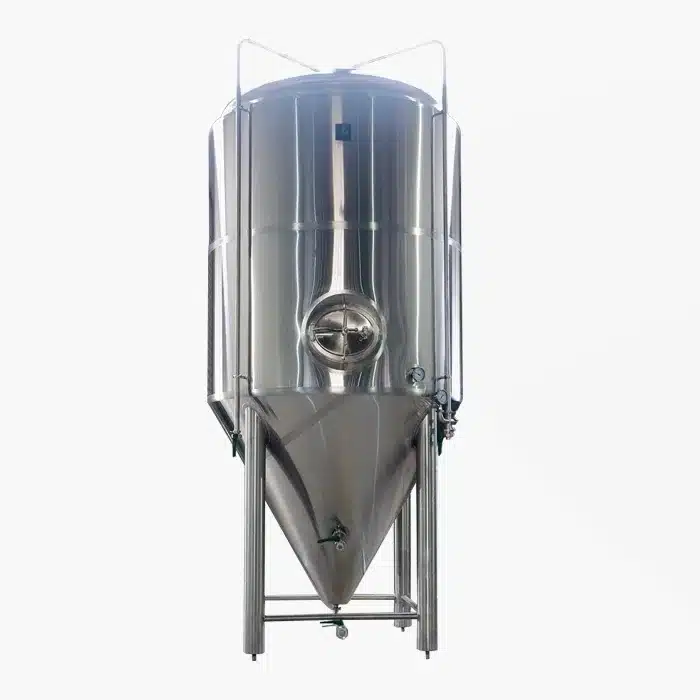
The type and condition of the fermentation tank has a major impact on consistency and reliability.
Gärtanks aus rostfreiem Stahl with temperature control jackets are the industry standard because they:
For 5-gallon small-batch and home winemaking setups, a compact food-grade Edelstahltank delivers far more predictable results than plastic buckets or glass carboys.
Visual signs are only a rough indicator. They should always be confirmed with a hydrometer test.
Steady bubbling means active fermentation is still underway. When bubbling stops for 2–3 days, it is a strong signal that fermentation is slowing or finished. Never rely on airlock activity alone — always confirm with a hydrometer, as a loose seal can stop bubbling even if fermentation is still active.
A 5-gallon batch of wine typically takes 2 weeks to 2 months to fully ferment and clear, with most of the active alcohol production happening in the first 1–2 weeks. Temperature, yeast choice and tank quality are the three biggest drivers of both fermentation speed and final wine quality.
If you are looking for reliable food-grade stainless steel fermentation tanks for small-batch winemaking, micro-wineries or craft beverage production, our tanks feature precision temperature control, smooth sanitary surfaces and conical sediment designs for consistent, high-quality results. Contact our team to find the right tank size for your batch needs.
You can speed up the process slightly by fermenting at the warmer end of the ideal temperature range, using a fast-acting yeast strain, and ensuring the tank stays at a consistent temperature. Never raise temperatures drastically, as this will ruin wine flavor and increase spoilage risk.
Red wine left on skins too long can develop harsh, bitter tannins and lose bright fruit flavor. Once primary fermentation finishes, reds should be pressed and moved to secondary vessels to avoid over-extraction.
Not all containers are suitable. Food-grade stainless steel tanks are the best option, as they are easy to sanitize, do not add unwanted flavor, and support temperature control. Improper containers can introduce bacteria and spoil the batch.
Sour, vinegary flavors usually come from unwanted bacteria or wild yeast contamination. This is almost always caused by poor sanitization of equipment or tanks. Proper cleaning and consistent temperature control prevent most spoilage issues.
Yes, as long as all sampling tools are fully sanitized. Tasting is a common way for winemakers to track flavor development throughout the process. Always avoid introducing outside contaminants when sampling.