


COPYRIGHT © 2022 COFF International Co., ltd. ALL RIGHTS RESERVED


Stainless steel is the industry standard for commercial cider fermentation and Lagertanks for six core reasons: superior hygiene, long-term durability, flavor neutrality, precise temperature control, straightforward regulatory compliance, and lower total cost of ownership.
The metal naturally resists corrosion from acidic apple juice, never alters flavor, and supports exact temperature control for consistent batch quality. While plastic, oak, and aluminum all serve niche use cases, stainless steel delivers the best balance of performance and value for most commercial cider producers. This guide breaks down its advantages, how it compares to other materials, and key factors to consider when selecting cider tanks.
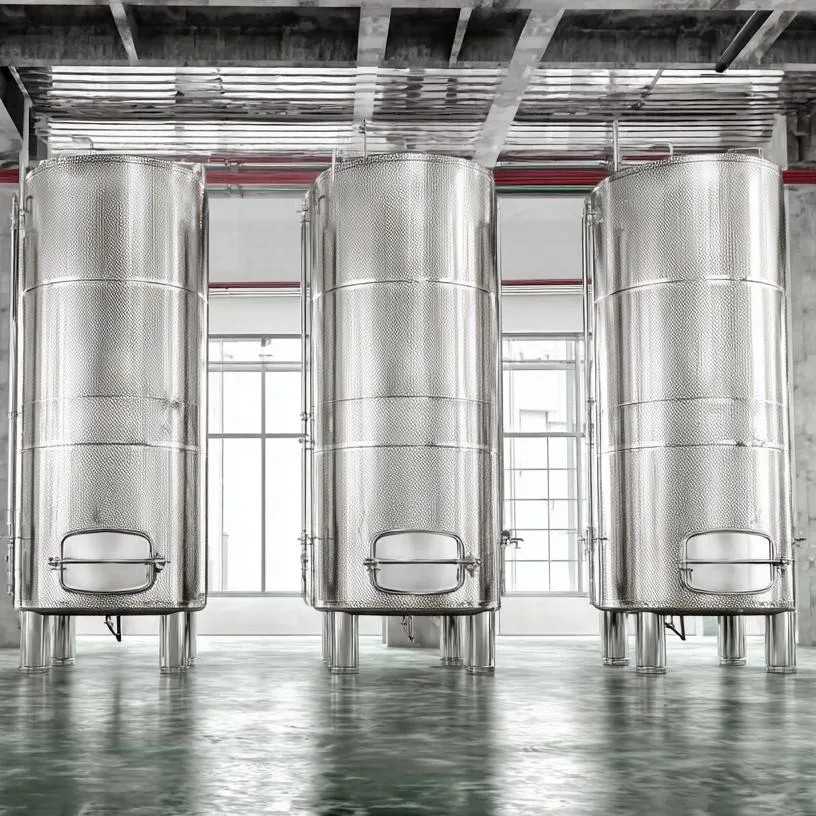
Stainless steel has a smooth, non-porous surface that prevents residue buildup and makes cleaning fast and effective. Tartaric acid deposits, yeast lees, and organic matter rinse away easily, with no trapped impurities left to spoil future batches.
High-quality tanks like COFF cider fermenters support fully automated clean-in-place (CIP) systems with spray balls, which sanitize the entire interior without opening the vessel. Polished interiors and seamless welds eliminate crevices where microbes can hide, further reducing contamination risk.
Cider production exposes tanks to acidic juice, hot cleaning chemicals, and rapid temperature swings. Food-grade 304 stainless steel naturally resists corrosion from all three, with no cracking, warping, or degradation across years of seasonal use.
Surface scratches do not create corrosion pathways the way they do in softer metals like aluminum. With proper care, commercial stainless steel fermenters last 20–30+ years, far longer than plastic or aluminum alternatives.
Stainless steel is completely chemically inert: it never reacts with cider, adds no off-flavors, and does not absorb aromas from previous batches. This preserves the pure fruit character, regional terroir, and delicate aromas of craft cider.
This is the biggest difference from oak barrels, which impart vanilla, toast, spice, and tannin, and from low-grade plastic, which can leach chemical off-notes. For producers who want the fruit to be the primary flavor profile, stainless steel is the most reliable choice.
Yeast health and fermentation consistency depend on stable temperatures — even a 2–3°C swing can cause off-flavors, excess ester production, or stuck fermentation.
Stainless steel conducts heat efficiently, making it ideal for welded dimple cooling jackets that circulate chilled glycol or water. COFF cider tanks feature fully welded cooling jackets, insulated exteriors, and thermowell temperature sensors, with optional zoned automated temperature control for fermentation, cold crashing, and cold storage all in one vessel.
Food-grade stainless steel easily meets global food safety standards. Its smooth, corrosion-resistant surface supports repeatable sanitation, which is required for certification.
Common industry certifications for stainless steel cider tanks umfassen:
| Zertifizierung | Zweck |
|---|---|
| SUS304 food-grade steel | Material safety for food and beverage contact |
| ASME / AS1210 | Pressure vessel safety and construction standards |
| ISO 9001 | Consistent quality management systems |
| ISO 22000 | Food safety management systems |
| CE / CSA | European / Canadian product safety conformity |
While stainless steel has a higher upfront cost than plastic, its 20–30 year service life spreads the investment across dozens of harvests. Maintenance requirements are minimal: routine CIP cleaning, periodic passivation to restore corrosion resistance, and occasional deep cleaning every 3–5 years.
By comparison, plastic tanks need replacement every 1–5 years, and oak barrels require regular inspection, re-coopering, and eventual replacement. For commercial producers planning steady multi-year output, stainless steel almost always delivers the lowest total cost of ownership.
| Material | Hygiene | Dauerhaftigkeit | Flavor Effect | Am besten für |
|---|---|---|---|---|
| Rostfreier Stahl | Excellent; non-porous, easy CIP | 20–30+ years | Completely neutral | Commercial production, consistent clean cider |
| Plastic (PET/HDPE) | Poor; scratches harbor bacteria | 1–5 years | May leach off-notes with heavy use | Small hobby batches, budget setups |
| Eiche | Moderate; porous, needs meticulous sanitizing | 10–20 years with care | Adds vanilla, toast, tannin, micro-oxygenation | Traditional aged cider, premium complex styles |
| Aluminium | Moderate; prone to corrosion from acid/cleaners | 5–10 years | Neutral if undamaged | Light-duty, low-budget temporary use |
Wood remains the right choice for producers seeking traditional tannin structure and aged complexity. Plastic works for small, low-volume operations. For repeatable, low-risk commercial production, stainless steel is the undisputed standard.

Select your tank material based on three core factors:
For most cider producers, stainless steel fermenters are the best long-term investment, especially when paired with optional oak aging for specialty lines.
Stainless steel is preferred for its superior hygiene, corrosion resistance, flavor neutrality, precise temperature control, and long service life. It supports consistent, repeatable batch quality with minimal maintenance, making it the standard for commercial cider production.
A well-maintained food-grade 304 stainless steel tank lasts 20–30+ years in commercial use. COFF backs its tanks with a 3-year warranty on function and finish. Plastic tanks typically only last 1–5 years before needing replacement.
Stainless steel is completely flavor-neutral and adds nothing to the cider, preserving true fruit character and aroma. Oak barrels add vanilla, toast, spice, and tannin for aged, complex styles. Low-quality plastic may leach subtle chemical off-notes with repeated use.
Fully welded dimple jackets circulate chilled glycol or water along the tank wall. Stainless steel conducts heat efficiently, so the jacket responds quickly to temperature changes. This keeps fermentation within the ideal 60–70°F (15–21°C) range and supports cold crashing and cold storage.
Prioritize certified SUS304 food-grade stainless steel and ASME-certified welds. Depending on your region, look for ISO 9001, ISO 22000, CE, CSA, or AS1210 compliance to ensure food safety and pressure vessel safety.