


COPYRIGHT © 2022 COFF International Co., ltd. ALL RIGHTS RESERVED


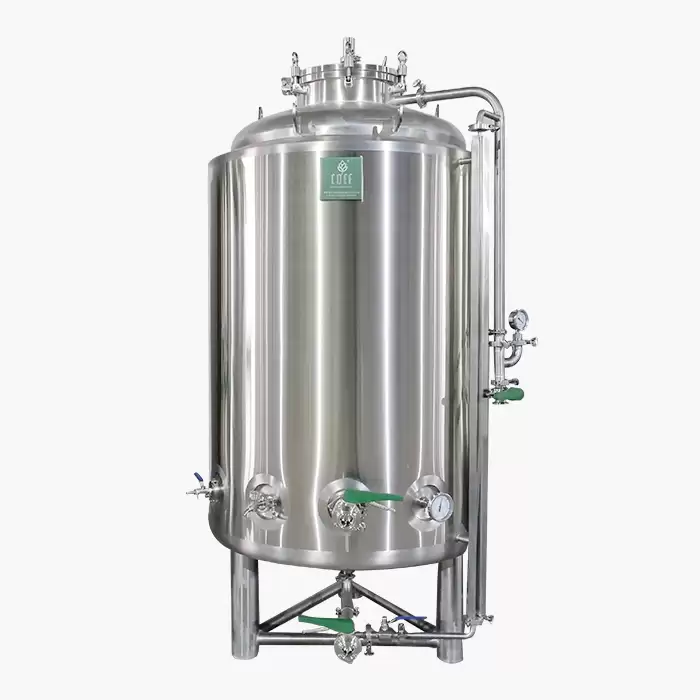
Consistent warm temperatures are critical for stable fermentation and balanced beverage flavors. Many homebrewers rely on simple low-cost DIY methods to maintain ideal fermenter temperatures in cold spaces, including insulated wrapping, heating belts, and warm water baths. For small breweries and commercial production, premium temperature-controlled tanks like COFF Gärungstanks deliver fully automated, precise thermal regulation with built-in insulation and integrated cooling/heating systems for repeatable batch quality.
Yeast performance heavily depends on consistent thermal conditions. When held within the optimal temperature window, yeast metabolizes sugars evenly and produces clean, desirable flavors. Two common issues arise from poor temperature control:
Each beverage style requires a unique target temperature range for best results:
| Fermentation Type | Ideal Temperature Range |
|---|---|
| Kombucha | 72–82°F (22–28°C) |
| Red Wine | 72–82°F (22–28°C) |
| White / Rosé Wine | 59–68°F (15–20°C) |
| Ale Beer | 65–75°F (18–24°C) |
| Lager Beer | 50–57°F (10–14°C) |
General brewing yeast functions best between 15°C and 35°C. Room temperature alone rarely stays consistent through seasonal shifts, so supplementary warming solutions are essential for reliable homebrewing. Professional fermenters such as COFF tanks eliminate guesswork with factory-installed thermal management to hold steady heat across every batch.

Insulation locks in naturally generated fermentation heat and slows heat loss in cold garages, cellars, or winter spaces. Popular DIY options include blankets, sleeping bags, old coats, foam panels, and dedicated neoprene fermenter jackets.
Quick hack: Place your fermenter inside a small closet or enclosed cabinet to create a mini insulated warm zone.
Heating wraps, FermWrap belts, and seedling heat mats deliver targeted, gentle external warmth to raise fermenter temperatures. These plug-in accessories are the most popular active heating choice for small homebrew batches.
Heating belts work best when paired with a thermometer to track internal liquid temperature, preventing heat spikes that ruin yeast and flavor profiles.
Fill a large plastic tub or cooler with lukewarm water, then submerge most of your fermenter vessel inside. Add an aquarium heater to the bath to maintain steady warmth long-term. Hot water bottles and reusable heat packs are temporary alternatives for short-term warming.
| Vorteile | Benachteiligungen |
|---|---|
| Uniform heat distribution with minimal temperature swings | Bulky setup that takes up counter/floor space |
| Low risk of localized overheating yeast | Hard to move once filled with water |
| Supports consistent yeast activity | Requires regular top-ups to maintain water temperature |
Always seal the fermenter lid tightly to stop bath water from seeping inside, and keep aquarium heater power cords completely dry.
For consistent commercial or high-volume home brewing, COFF fermentation tanks integrate full thermal management that eliminates DIY temperature struggles entirely.
Core built-in features:

Accurate temperature readings let you spot cooling or overheating early. Leading fermenter manufacturers like COFF emphasize the importance of high-precision monitoring, as different thermometer grades offer varying levels of precision:
| Thermometer Grade | Temperature Accuracy |
|---|---|
| Standard Lab Thermometer | ±0.9°F / ±0.5°C |
| Premium High-End Lab Thermometer | ±0.4°C |
Place the thermometer probe deep into the liquid inside the fermenter, rather than just measuring external surface temperature, for the most reliable readings.
Sudden temperature drops or spikes disrupt fermentation; use these targeted fixes:
Regular daily temperature checks prevent stalled fermentation and flavor defects before they develop.
Homebrewers have multiple accessible ways to keep fermenters warm, ranging from zero-cost passive insulation to affordable electric heating belts and balanced warm water baths. All DIY warming methods require consistent temperature monitoring to avoid yeast damage and off-flavors.
For anyone seeking fully hands-off, repeatable fermentation results without manual temperature adjustments, COFF custom fermentation tanks deliver integrated heating, cooling and insulation built for reliable small-batch and commercial brewing. Maintaining steady warmth throughout the entire fermentation cycle is the simplest way to guarantee clean, consistent, gre 1 at-tasting homemade bevera 2 ges.
Most ale, wine and kombucha batches perform best at 65–75°F (18–24°C). Always adjust based on the specific yeast strain and beverage style you are brewing.
Standard heating pads work in short bursts only. Run them on the lowest setting, monitor liquid temperature constantly, and never let the pad touch damp surfaces. For safe long-term use, pair with a dedicated temperature controller.
A heating wrap matched with a digital temperature controller offers balanced, controllable warmth. Keep all electrical hardware dry and inspect for damage before each brew session.
Insulation only retains existing heat produced by yeast; it cannot raise temperatures. If your space stays cold long-term, you will need supplementary heating like a fermentation belt or water bath.
COFF tanks integrate three core benefits that DIY setups cannot match: